
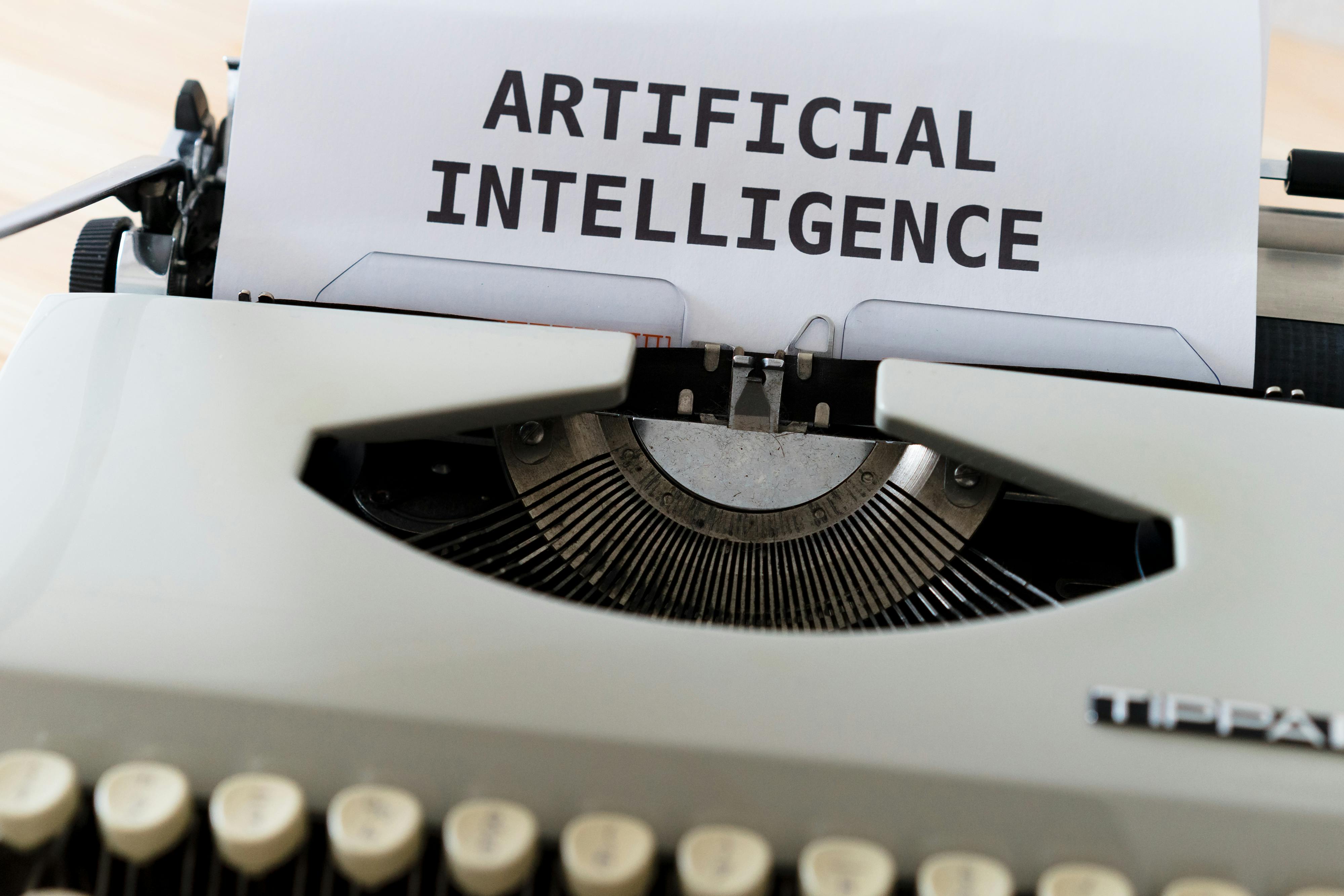
AI may be making us think and write more alike, according to a new study. Large language models may be standardizing human expression — and subtly influencing how we think. Individuals differ in how they write, reason, and view the world, but when these differences are mediated by the same LLMs, their distinct linguistic style, perspective, and reasoning strategies become homogenized, producing standardized expressions and thoughts across users.
Key Takeaways
AI may be standardizing human expression and influencing how we think.
Cognitive diversity is shrinking worldwide as billions of people use the same handful of AI chatbots.
LLMs can dampen individuality and creativity.
Incorporating more real-world diversity into LLM training sets can help preserve human cognitive diversity.
What Is AI and Core Benefits
AI has the potential to revolutionize the way we live and work, but it also poses significant risks to cognitive diversity and creativity. Large language models are trained on vast amounts of data, which can lead to a homogenization of thought and expression.
Benefits of AI
AI can help us automate repetitive tasks, improve decision-making, and enhance productivity. However, these benefits come at a cost, as AI may be subtly redefining what counts as credible speech, correct perspective, or even good reasoning.
Technical Deep Dive
LLMs are trained to capture and reproduce statistical regularities in their training data, which often overrepresent dominant languages and ideologies. This can lead to a narrow and skewed slice of human experience being reflected in LLM outputs.
Architecture Details
The architecture of LLMs is designed to optimize performance on specific tasks, such as language translation or text generation. However, this optimization can come at the cost of cognitive diversity and creativity.
Code Snippets
import torch
import torch.nn as nn

class LanguageModel(nn.Module):
    def __init__(self):
        super(LanguageModel, self).__init__()
        self.fc1 = nn.Linear(128, 128)
        self.fc2 = nn.Linear(128, 128)

    def forward(self, x):
        x = torch.relu(self.fc1(x))
        x = self.fc2(x)
        return x
Real-World Applications
Companies are using AI to improve customer service, enhance marketing efforts, and optimize operations. However, these applications often rely on LLMs that can dampen individuality and creativity.
Case Studies
For example, a company may use an LLM to generate customer support responses, which can lead to a homogenization of tone and style.
Industry Examples
Other companies are using AI to generate content, such as news articles or social media posts, which can also lead to a lack of diversity in perspective and style.
Industry Perspective
The developer community is divided on the impact of AI on cognitive diversity and creativity. Some argue that AI can enhance human capabilities, while others believe that it poses significant risks.
Reddit Discussions
On Reddit, developers are discussing the potential risks and benefits of AI, with some arguing that it can lead to a loss of individuality and creativity.
Hacker News
On Hacker News, developers are sharing their experiences with AI, with some reporting that it has improved their productivity and others expressing concerns about its impact on human thought and expression.
Pros, Cons & Trade-offs
| Pros | Cons |
|---|---|
| Improved productivity | Loss of individuality and creativity |
| Enhanced decision-making | Risk of bias and discrimination |
| Automated tasks | Dependence on technology |
Step-by-Step Implementation
To get started with AI, follow these steps:
- Choose a programming language and development framework.
- Select a pre-trained LLM or train your own model.
- Integrate the LLM into your application or workflow.
- Monitor and evaluate the performance of the LLM.
- Refine and adjust the LLM as needed.
Frequently Asked Questions
Frequently Asked Questions
What is AI and how does it work?
How can I use AI in my business?
What are the risks of using AI?
How can I mitigate the risks of using AI?
Next Steps
If you are interested in learning more about AI and its potential impact on cognitive diversity and creativity, contact us at hello@aimatic.dev to discuss custom AI and automation solutions for your business.