
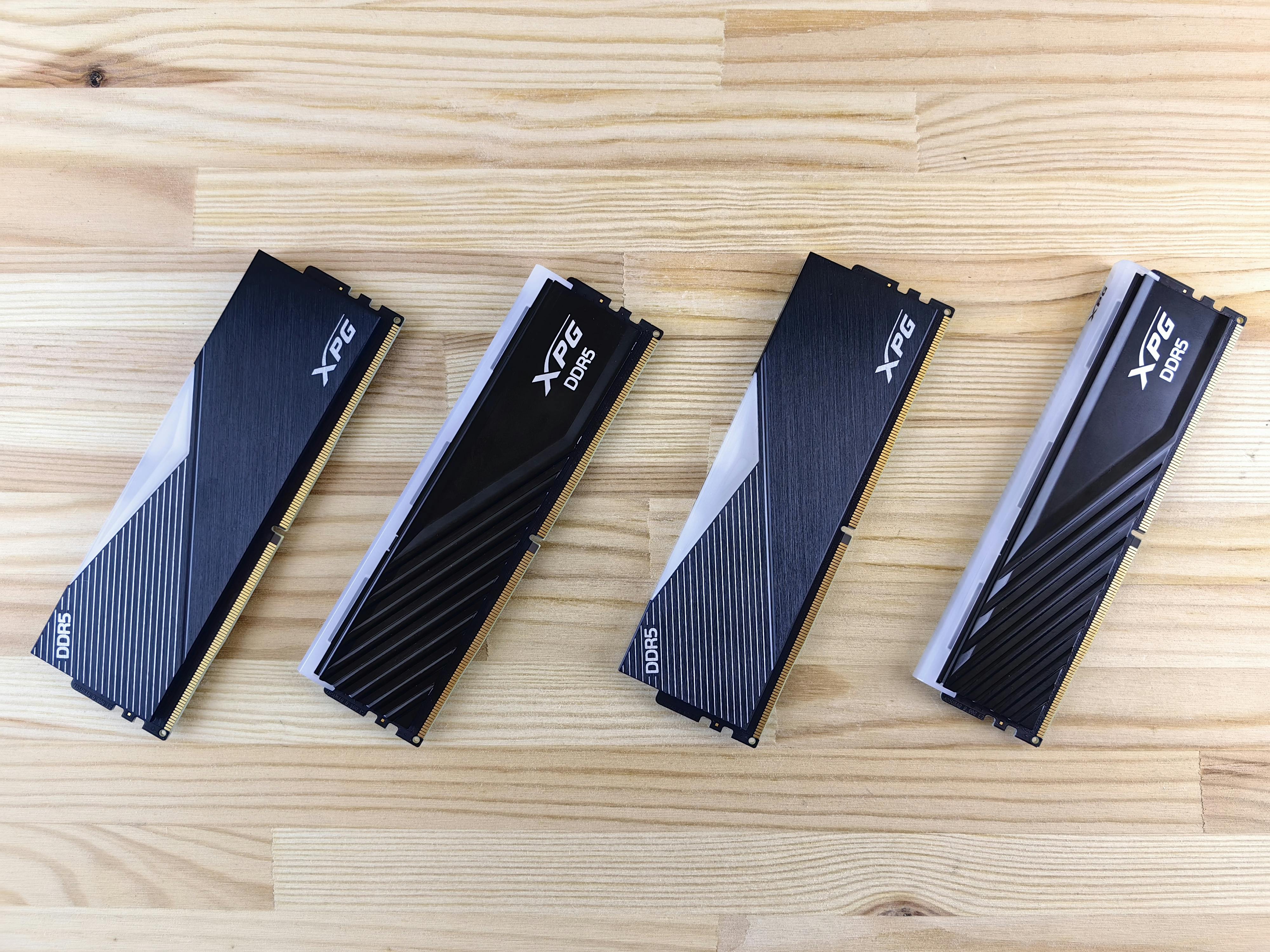
You see a 32 GB DDR5 kit listed for $375 and wonder whether your next gaming rig or workstation will ever be affordable again. The price spike isn’t a seasonal glitch—it’s a direct symptom of the AI‑driven silicon crunch that is pulling high‑bandwidth memory away from the consumer channel and into data‑center farms.
Key Takeaways
- DDR5 32 GB kits are now $375, a price level most builders haven’t seen in years.
- AI model training and inference workloads are the primary demand driver, diverting inventory from retail.
- Switching to DDR4 or waiting for a market correction can save hundreds of dollars.
- Automated price‑alert scripts let you act the moment a deal appears.
The AI‑Driven Memory Surge
Modern large‑language models consume terabytes of high‑speed DRAM during training. Each GPU‑accelerated node typically packs multiple DDR5 DIMMs to keep the memory bandwidth ceiling high enough for tensor operations. Because AI firms purchase memory in bulk and often sign long‑term supply contracts, the available pool for OEMs and DIY enthusiasts shrinks dramatically. The result is a classic supply‑demand imbalance: limited units, soaring price.
How the Shortage Propagates Through the Build Pipeline
- Wafer fab – Foundries prioritize AI‑centric chips, allocating more silicon real estate to high‑bandwidth memory controllers.
- Packaging & testing – Specialized testing equipment for DDR5 runs at lower throughput than legacy DDR4, creating a bottleneck.
- OEM allocation – System integrators receive smaller shipments, forcing them to raise MSRP or delay launches.
- Retail – Distributors inherit the higher wholesale cost and pass it to end users.
Understanding this chain helps you pinpoint where you might find a price break: smaller distributors, refurbished stock, or bundled deals that bypass the OEM markup.
Immediate Impact on PC Builders
- Budget blowout – A $375 kit adds roughly $150‑$200 to a typical $1,500 gaming build.
- Upgrade cadence – Builders may postpone a DDR5 upgrade in favor of a DDR4‑based system that still meets most gaming needs.
- Component mismatch – Motherboards that support both DDR4 and DDR5 become attractive fallback platforms.
Practical Buying Strategies
- Set up a price‑alert script – The snippet below polls a public price API every hour and notifies you via desktop notification when the price drops below a threshold.
#!/usr/bin/env bash
THRESHOLD=350
API_URL="https://api.example.com/price?product=ddr5-32gb"
while true; do
  PRICE=$(curl -s $API_URL | jq '.price')
  if (( $(echo "$PRICE < $THRESHOLD" | bc -l) )); then
    notify-send "DDR5 Alert" "Price fell to $${PRICE}" && exit 0
  fi
  sleep 3600
done
- Monitor secondary markets – Platforms like eBay and local classifieds often list open‑box or gently used kits at 10‑15 % below retail.
- Evaluate DDR4 alternatives – For pure gaming, DDR4 3600 MHz still delivers >95 % of DDR5 performance while costing half as much.
- Bundle with other components – Some retailers offer a RAM‑plus‑GPU bundle that amortizes the memory cost across the whole purchase.
- Timing – Historical data shows price corrections after major AI model releases; keep an eye on AI conference announcements for potential supply shifts.
Common Pitfalls
- Assuming the price will drop immediately – Market correction cycles can span several months.
- Buying from unknown sellers without warranty – Refund policies are often limited for high‑value RAM.
- Mixing DDR4 and DDR5 on the same board – Incompatible memory types will prevent the system from booting.
Frequently Asked Questions
Why is DDR5 suddenly more expensive than DDR4?
Can I safely use DDR4 instead of DDR5 for a gaming PC?
When is the best time to buy DDR5?
How does AI demand affect my desktop build?
If you’re ready to protect your build budget, start the alert script today, scout secondary listings, and keep DDR4 on your shortlist. Need a custom sourcing strategy or want a second opinion on your configuration? Drop us a line at hello@aimatic.dev.