
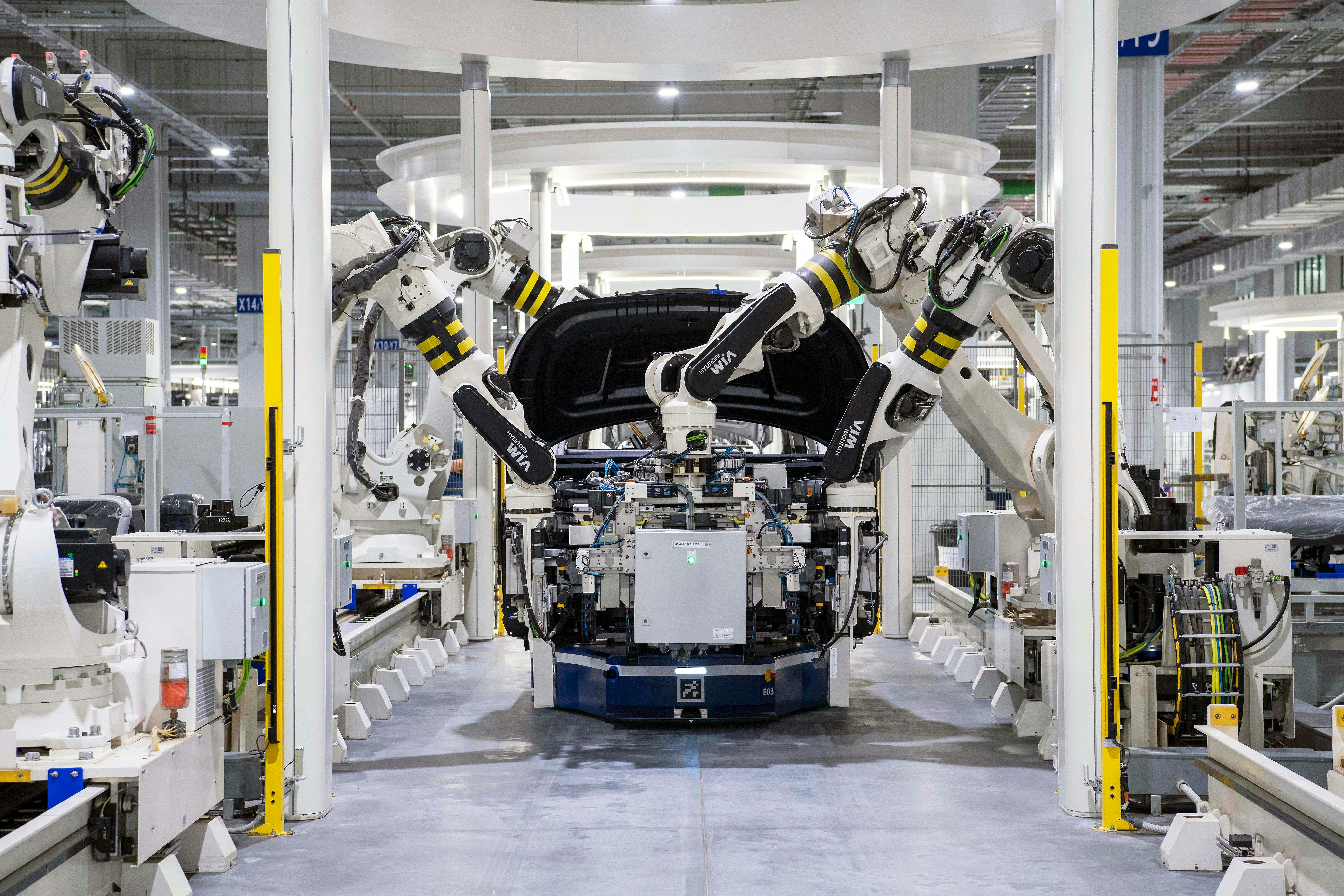
Ford recently topped the JD Power Initial Quality Survey for mainstream brands, but this success wasn't driven by a sudden breakthrough in autonomous machine learning. It was the result of a retreat. After attempting to replace human expertise with AI-driven inspection tools, the automaker faced a surge in quality issues that automated systems simply couldn't diagnose. The fix required rehiring "gray beard" engineers—retired veterans with decades of experiential knowledge—to fix the code and train the next generation of staff.
This cycle reveals a critical failure mode in enterprise AI: the nuance gap. When organizations treat AI as a drop-in replacement for experience rather than a tool to be calibrated by it, the system fails to account for edge cases that humans recognize instinctively.
Key Takeaways
- Nuance over logic: AI tools failed at Ford because they lacked the sensory nuance to identify complex manufacturing defects that aren't binary.
- Model reprogramming: Veteran engineers weren't just checking cars; they were used to reprogram AI tools and correct the underlying logic causing quality hiccups.
- Tangible ROI: Returning to a human-centric oversight model propelled Ford to the top mainstream brand spot in the JD Power Initial Quality Survey.
- The Human-in-the-loop (HITL) necessity: Pure digital efficiency often creates a technical debt that only domain experts can resolve.
The Breakdown of Automated Quality Control
Ford's initial strategy followed a standard corporate playbook: reduce headcount, lower operational costs, and implement digital efficiency via AI. In the context of a modern assembly line, this usually involves computer vision systems designed to detect misalignments, paint defects, or mechanical inconsistencies.
However, these systems often struggle with environmental variables—lighting changes, subtle vibrations, or variations in material texture—that a seasoned inspector identifies in seconds. The AI's inability to distinguish between a harmless anomaly and a critical defect led to two primary issues:
- False Negatives: Defective units reached consumers, damaging brand reputation.
- Logic Rigidity: The AI followed its training data too literally, failing to adapt to the fluid reality of a high-speed production environment.
When these hiccups began affecting the bottom line, Ford pivoted. They brought back retired engineers to serve as the bridge between the physical reality of the factory floor and the digital logic of the AI tools.
Reprogramming the Model with Experiential Data
The "gray beard" engineers provided what raw data could not: context. Their role was two-fold. First, they mentored younger staff who had grown accustomed to relying on automated dashboards. Second, and more importantly, they helped reprogram the AI tools themselves.
In automation, this is known as Ground Truth Alignment. An AI is only as effective as the labels provided during its training phase. By having veteran engineers oversee the "learning" process, Ford was able to refine the thresholds of their computer vision and diagnostic systems. These engineers identified the specific nuances—the sound of a specific rattle or the feel of a fastener—that needed to be translated into data points for the AI to track.
The Impact of Domain Expertise on Quality Scores
| Metric | AI-Only Phase | Human-Augmented Phase |
|---|---|---|
| JD Power Ranking | Lower Tier | #1 Mainstream Brand |
| Staff Training | Tool-dependent | Expert-led mentorship |
| AI Logic | Rigid/Default | Reprogrammed for nuance |
| Outcome | Quality "Hiccups" | Market-leading reliability |
Lessons for Implementing AI Automation
Ford’s experience serves as a cautionary tale for technical leads and ops managers. If you are automating a process that currently relies on high-level human intuition, you cannot skip the expert-led calibration phase.
1. Define the "Nuance Layer"
Before deploying an AI model, identify the decisions that require more than binary logic. In Ford's case, it was determining if a part was "good enough" or "defective" based on variables the AI wasn't yet tracking. Map these variables before you automate.
2. Implement Expert-in-the-Loop Workflows
Don't build systems that operate in a vacuum. Create a feedback loop where the AI flags uncertain cases for a human expert. Use the expert's resolution to retrain the model, ensuring it becomes more sophisticated over time rather than just faster at making mistakes.
3. Avoid the Efficiency Trap
Replacing experienced staff with AI to save on payroll often results in "quality debt." As Ford discovered, the cost of rehiring experts to fix a broken system is significantly higher than the cost of retaining them to build it correctly the first time.
Frequently Asked Questions
Why did Ford have to rehire retired engineers?
How did this affect Ford's quality rankings?
Can AI eventually replace 'gray beard' engineers?
What is the 'nuance gap' in AI?
Automation is a force multiplier, but you need something worth multiplying. If your underlying process lacks the nuance that only experienced practitioners provide, you’re simply scaling your errors.
At AImatic, we focus on building automation that preserves and enhances your team's expertise rather than attempting to replace it with rigid logic. If you're looking to integrate AI into your production workflows without sacrificing quality, reach out to us at hello@aimatic.dev.